
A naturally caffeinated lift
Caffeine can increase alertness and reduce sleepiness. Matcha contains caffeine, so it can be a different choice for your morning drink. The amount of powder you use matters, and caffeine sensitivity varies.
MATCHA 101
A naturally caffeinated lift. A distinctive green tea flavor. A cup you can make your own.
Get to know the benefits of matcha tea, what makes it different from steeped green tea, and how to find a matcha you love.
Good tea. Plenty of possibilities.
WHY PEOPLE REACH FOR MATCHA
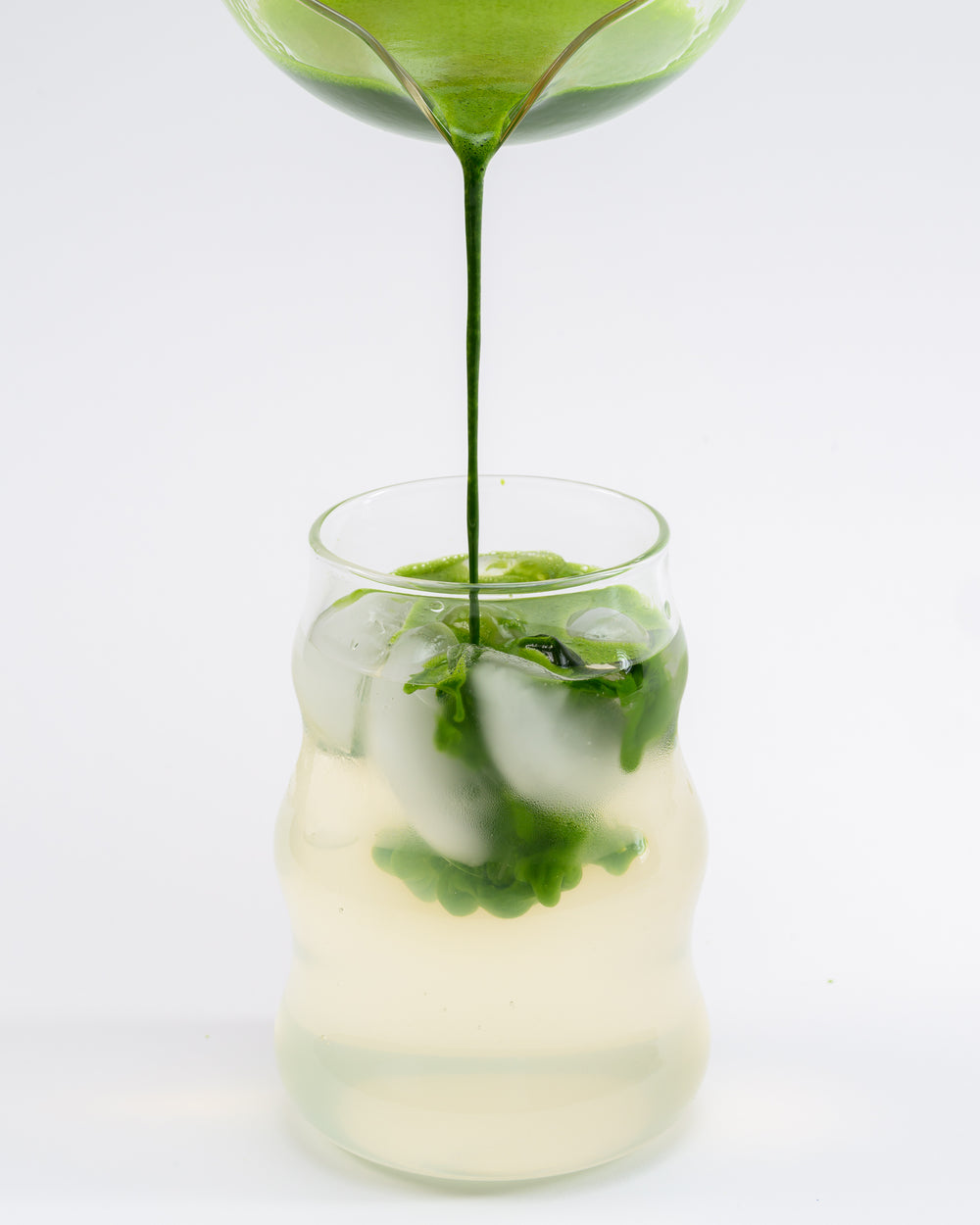
Matcha is finely milled green tea made from tencha. Whisk the powder into water and you drink the leaf itself. Its appeal starts with what is naturally in the tea, and continues with the cup you make.
Caffeine can increase alertness and reduce sleepiness. Matcha contains caffeine, so it can be a different choice for your morning drink. The amount of powder you use matters, and caffeine sensitivity varies.
Matcha contains catechins, including EGCG, and the amino acid L-theanine. Catechins are antioxidant compounds. Their presence is a fact about the tea, rather than a promise of a particular health result.
Whisk it with water, make a hot or iced latte, or bring its green color and tea flavor to a recipe. Yōko Matcha’s organic ceremonial powder has one ingredient, with no added sugar or flavoring.
SAME TEA PLANT. A DIFFERENT CUP.
Matcha is a type of green tea. The useful comparison is with steeped green tea, such as sencha: one is a powder you drink, and the other is an infusion.
The leaf: Tencha is grown under shade, then steamed and dried without rolling before milling.
In your cup: The fine powder is dispersed in water. You consume the ground leaf.
Preparation: Sift, add water and whisk. Add milk if you want a latte.
The leaf: Sencha leaves are steamed, rolled and dried. Other green teas have their own methods.
In your cup: Water extracts compounds from the leaves, which are then removed.
Preparation: Infuse the leaves in water, then strain or remove the tea bag.
Both can provide caffeine and tea compounds. The amounts depend on the tea, serving size and preparation. Drinking the ground leaf does not establish that one cup equals ten cups of green tea, or that matcha delivers ten times the health benefits.

THE BENEFIT YOU CAN TASTE
A drink you enjoy is one you will actually want to make. Yōko Matcha’s organic ceremonial matcha brings smooth umami, natural sweetness and a clean finish, without adding sugar to the powder.
Our organic ceremonial matcha is first-harvest Yabukita from Hon-Yama, Shizuoka, Japan. Choose it when you want the tea itself to be the focus, with water or in a matcha-forward latte.
For baking, desserts and sweetened drinks in a café or kitchen, our 500g culinary matcha offers a bolder tea flavor. Choose by how you plan to use it.
MAKE IT YOURS
Start with the kind of drink you already love. The powder gives you options.
Sift the powder and whisk it with warm water until smooth and frothy. Top up to taste. This puts the matcha’s own flavor at the center.
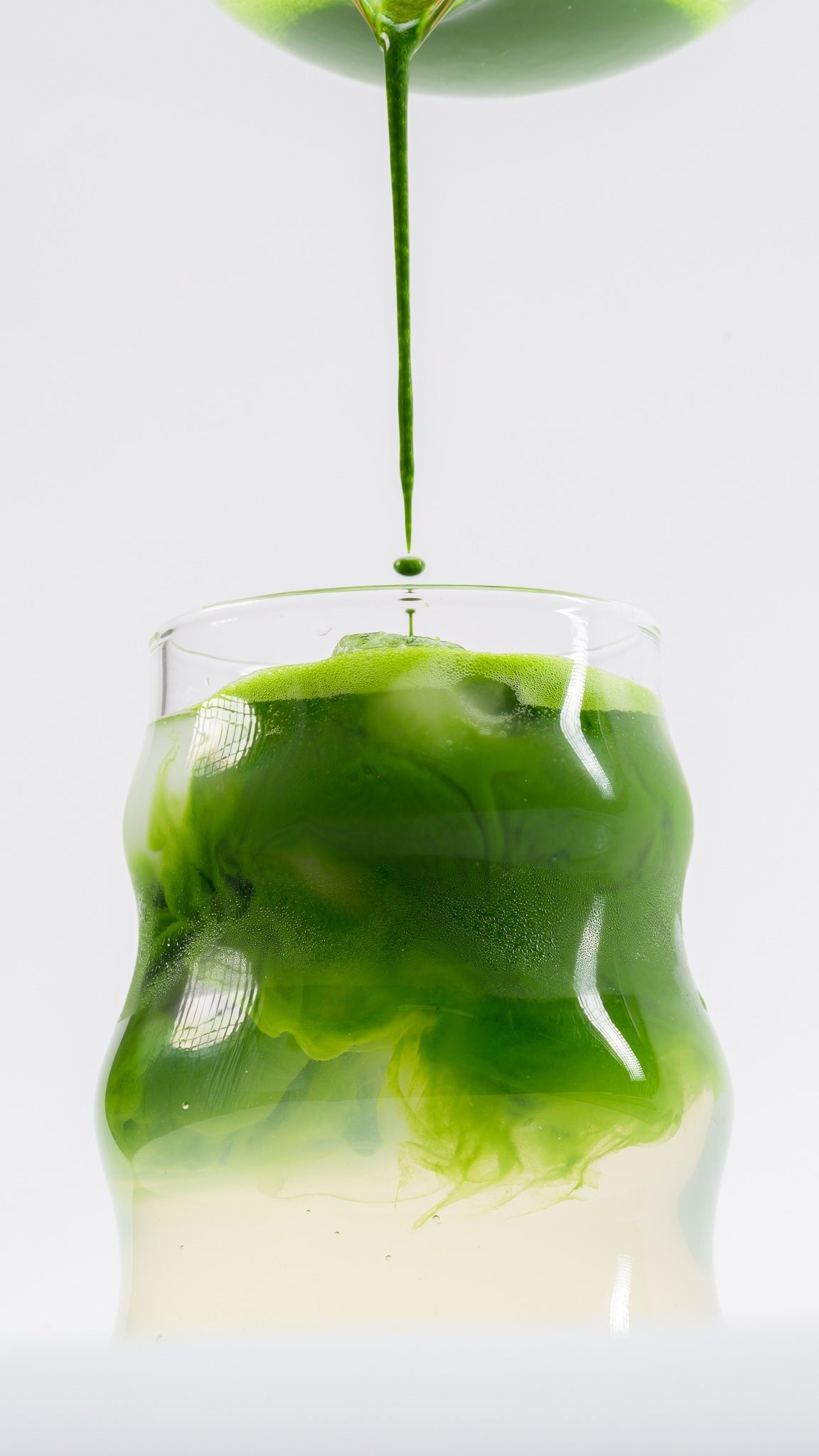
Whisk the matcha with a little water first, then add your preferred milk. Serve it hot or over ice. Milk and sweetener change the finished drink’s nutrition.
Try matcha in cookies, pancakes or frozen desserts. For recipes with several other ingredients, culinary matcha is designed to keep its tea flavor noticeable.
A LITTLE MORE TO KNOW
Useful details before you pick your powder.
The matcha still contributes caffeine and tea compounds. Your milk, sweetener and amount of powder determine the rest of the drink. A sweetened latte and plain matcha have different nutritional profiles.
You can choose matcha as another caffeinated drink. Compare your usual servings and pay attention to how caffeine affects you. Matcha is not caffeine-free, and it does not guarantee a jitter-free experience.
Read our matcha caffeine guideFor water or a smooth, matcha-forward latte, start with our organic ceremonial matcha. For baking or sweetened recipes in larger quantities, explore our 500g culinary matcha. The best choice depends on what you are making.
Shop organic ceremonial matchaLET’S MAKE SOMETHING GREEN
Explore Japanese matcha for the way you like to drink and cook. Start with organic ceremonial matcha for water or a latte, or compare the full collection.
THE DETAILS BEHIND THE CUP
Tea composition and health outcomes are different questions. For evidence, serving details and caffeine considerations, see our matcha health benefits guide. If you are pregnant, breastfeeding or have questions about medicines, discuss caffeine and tea intake with your clinician.